
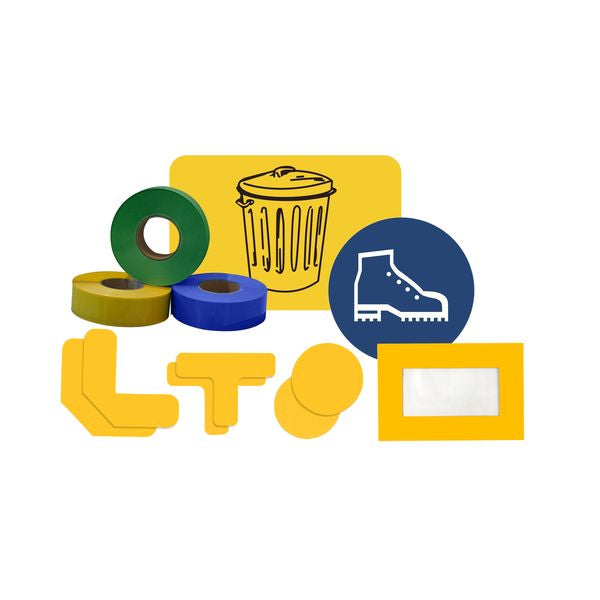
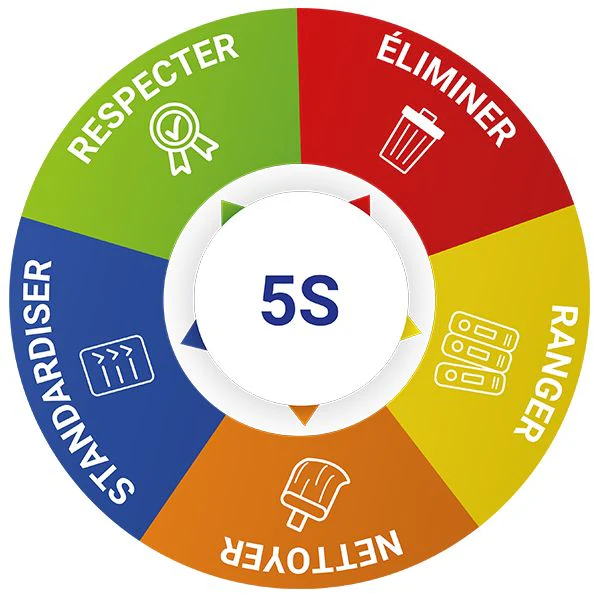
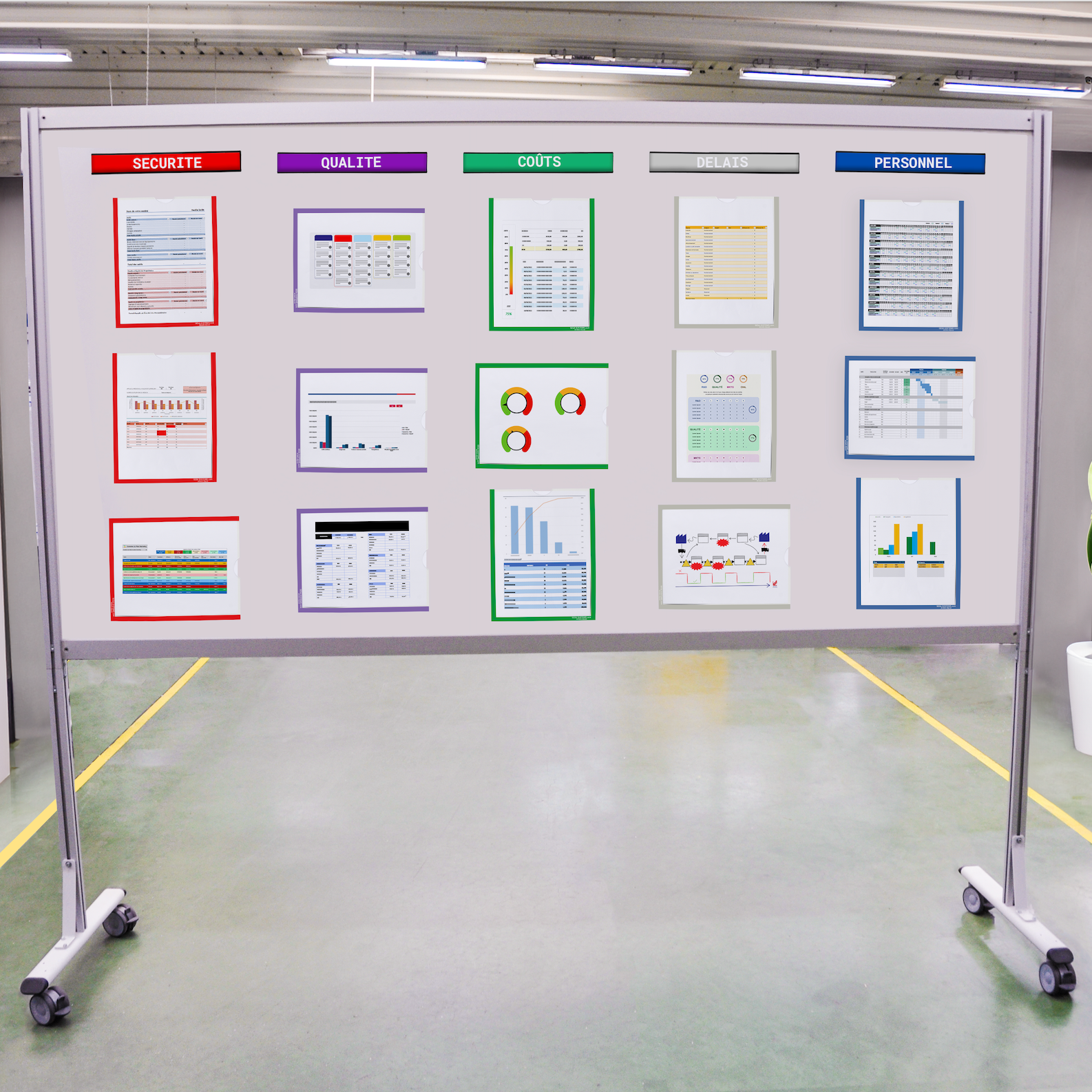

In any continuous improvement and lean management strategy, establishing an effective visual management system serves as the indispensable foundation for workplace organization, running shop floor routines (Top 5, Top 15), and ensuring seamless operational communication. For decades, plants have relied on physical visual tools to maintain visual control across each production line. Traditional solutions—such as notice boards, color-coded traffic lights, magnetic pockets, shadow boards for 5S tooling, and mind mapping diagrams—have been widely set up to make shop floor metrics easy to understand at a single glance.
However, as facilities embrace Industry 5.0 to boost efficiency, static paper methods are evolving. While static floor marking and physical boards remain vital, adapting every type of visual management to modern manufacturing speeds requires plants to transition toward dynamic information displays and connected digital signage.
The Limits of Static Paper Displays Facing Modern Cadence
While static paper boards initially helped anchor continuous improvement standards, they present major operational hurdles in an agile production process:
- Time-consuming maintenance: Every single data update requires printing, trimming, and manually replacing sheets on notice boards, consuming valuable engineering hours that could be dedicated to value-adding tasks.
- Lack of real time data: Printed sheets are frequently out of date by the time operators read them. In the event of sudden machine downtime or quality drifts, teams lack the real time data needed to react instantly on the line.
- Visual clutter and cognitive overload: Stacking endless sheets impairs overall clarity. An operator's visual perception is hindered by an overload of static documents, making it harder to detect abnormalities than with clear visual signals like andon lights.
The Advantages of Digital Signage on the Connected Shop Floor
As an advanced evolution of conventional visual management tools, deploying a digital signage display modernizes how leaders implement visual management across the plant:
- Instant delivery of key performance indicators: Directly connected to your ERP, MES, or production monitoring software, dynamic screens display live takt time, OEE, scrap rates, and line bottlenecks in real time.
- Impact and clarity of visual information: Dynamic color codes, animated KPI graphs, and instant alerts deliver high-impact visual information that immediately captures attention and speeds up root-cause problem solving.
- Targeted, multipurpose communication: A single screen can alternate between live metrics, standard operating procedures, shift handover targets, and plant-wide safety campaigns.
To modernize your communication hubs and implement robust digital standards, discover our specialized range of digital visual management solutions and interactive screens, engineered specifically for demanding industrial environments.
How to Ensure a Successful Implementation on the Shop Floor
Choosing to deploy digital screens across your facility requires structured planning and industrial-grade hardware:
- Select robust, industrial-grade equipment: Standard consumer screens cannot withstand the dust, vibrations, and temperature swings of an active factory floor. Prioritize durable, shop-floor-ready units such as the E-LEANBOARD connected digital display, built to guarantee reliable data broadcasting directly line-side.
- Locate screens in high-traffic areas: Mount or position your displays in dedicated team meeting zones or along primary high-traffic areas to ensure that operational priorities are seen regularly by operators and logistics teams without disrupting pedestrian or transport flow.
- Combine physical and digital formats: A successful digital shift is often hybrid. Retaining physical boards for permanent operating standards while assigning live metrics to connected screens ensures strong team adoption and zero loss of clarity.
A well-executed implementation of digital signage revitalizes daily team routines, elevates your visual management strategy, and firmly anchors your operations within the standards of Industry 5.0.


