


Signage and floor marking are essential elements in various industrial and professional environments, particularly in workshops and production lines. These visual systems are designed to provide clear and accurate information to workers, visitors, and other users, ensuring safety, efficiency, and organization, especially in warehouses. Although these tools may appear simple, their importance is critical in the daily management of industrial spaces.
1. Facilitating Traffic Flow and Preventing Accidents
Much like road signs and white line road markings, in production workshops, signage and floor marking are used to organize the flow of people and machinery. Floor markings help define specific areas such as pedestrian walkways, vehicle routes, storage zones, parking areas, and evacuation routes. This is usually done thanks to black and yellow floor marking tape, but depending on the use, there's a wide variety of colors available. By clearly indicating where each category of person or equipment can move (machinery, vehicles, pedestrians), the risk of collisions and accidents is significantly reduced. Reducing accident risks also helps limit production downtime, thereby increasing productivity.
For example, forklift routes are often marked with a specific color, while pedestrian pathways may be outlined with another easily recognizable color. These visual distinctions help workers remain aware of their surroundings and anticipate dangerous movements, which is especially crucial in spaces where motorized vehicles and workers operate side by side.
2. Ensuring Compliance with Safety Standards
Production workshops are subject to strict regulations designed to ensure worker safety. Current standards, often governed by occupational safety organizations, require the implementation of appropriate signage, codes, and markings. These elements are therefore not only useful but mandatory in certain situations.
Compliance with these regulations strengthens employee safety and protects the company from fines or penalties due to non-compliance. Floor markings indicating emergency exits, assembly points, and the locations of safety equipment (such as fire extinguishers or emergency showers) are examples of signage often required by law.
3. Optimizing Efficiency and Organization
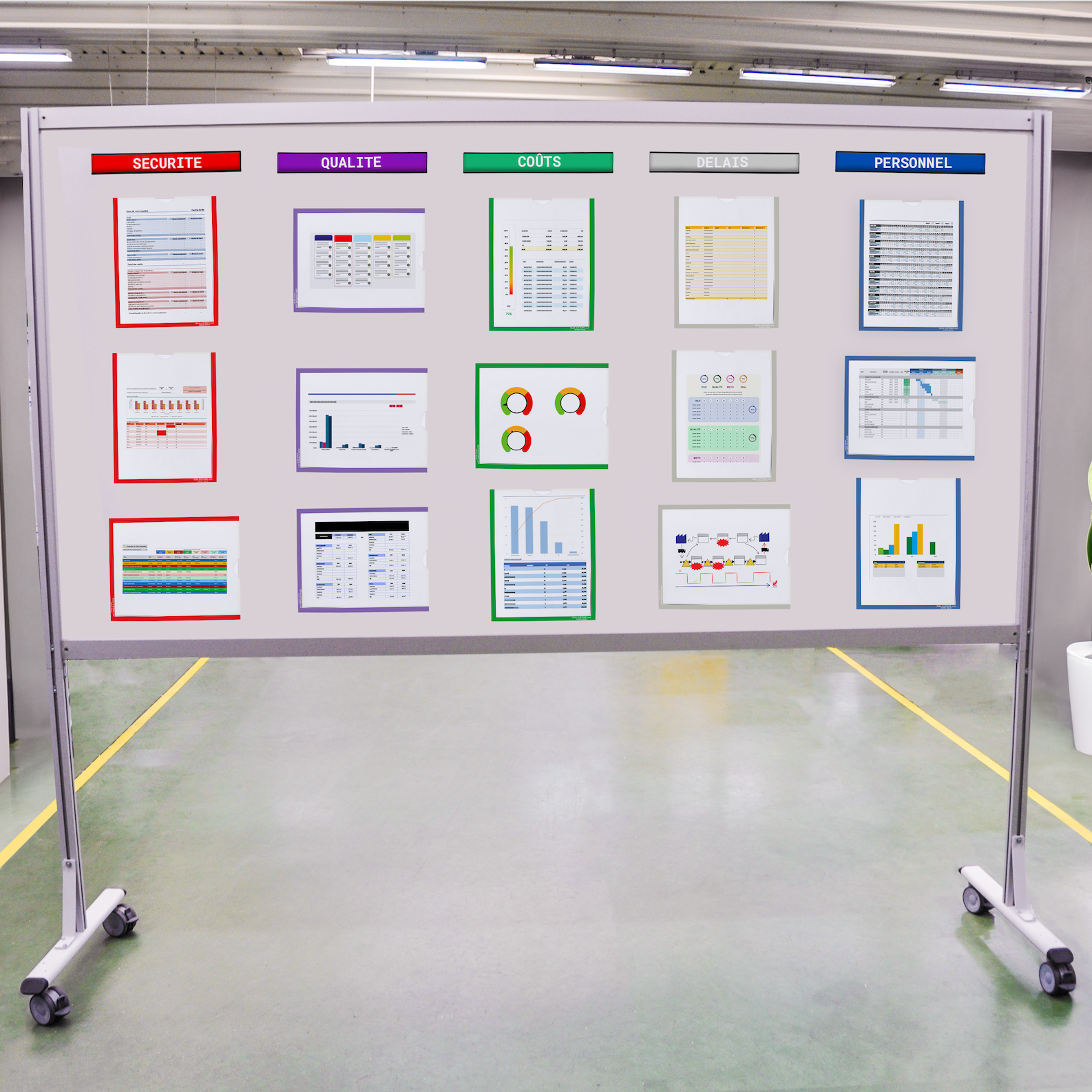
In addition to ensuring safety, floor marking and signage contribute to the efficient organization of the workspace. In a production workshop, every area has a specific function, and markings help optimize the use of space by identifying zones dedicated to each task. This not only streamlines production processes but also minimizes unnecessary movement and waiting times.
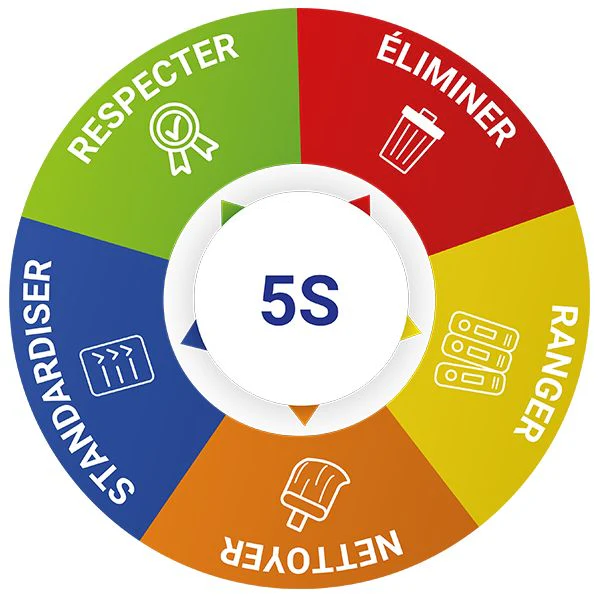
In Lean or Kaizen environments, which promote continuous improvement, floor markings and signage play a strategic role. By defining zones for each production stage or indicating designated locations for every tool or machine, companies improve productivity and reduce time loss.
4. Communicating Safety and Hygiene Instructions
Floor marking and signage are also used to reinforce safety and hygiene instructions. Products such as signs indicating mandatory use of safety glasses, helmets, or gloves, as well as floor markings reminding workers to maintain safe distances, are common examples in industrial settings.
These visual reminders help employees stay aware of occupational hazards related to their tasks and comply with safety instructions. Furthermore, they reinforce good hygiene and safety practices within the team, reducing the risk of workplace accidents and occupational illnesses.
5. Supporting the Integration of New Employees
In large production workshops, new employees may struggle to navigate the environment and understand safety procedures. Signage and floor marking provide valuable assistance by helping them easily find their way and quickly identify safe zones and equipment locations.
As a result, they can integrate more easily into their work environment and apply safety rules from day one. By facilitating the visual learning of safety procedures, the company ensures that every employee, regardless of experience level, can work safely.
Conclusion
Signage and floor marking are far more than simple visual guides. They are strategic elements for the safety, organization, and efficiency of production workshops. By improving traffic flow, enhancing safety, optimizing workspace organization, and communicating clear instructions, these systems help companies maintain a structured and secure working environment.
Investing in well-designed signage systems is therefore essential for any company concerned with employee safety and productivity.


