



In competitive manufacturing facilities, optimizing the shop floor goes far beyond machine cycle times. Rooted in the Toyota Production System, modern continuous improvement demonstrates that sustainable productivity starts with ergonomic workstation design and operator well-being. Unnecessary motions, clutter, and poor postures remain primary causes of lost time, chronic fatigue, and repetitive strain injuries such as carpal tunnel syndrome.
To protect workers while streamlining operations, integrating ergonomic principles with a structured 5S implementation is the most effective way to eliminate friction and upgrade work conditions across all industrial facilities.
Two Complementary Lean Pillars for Shop Floor Operators
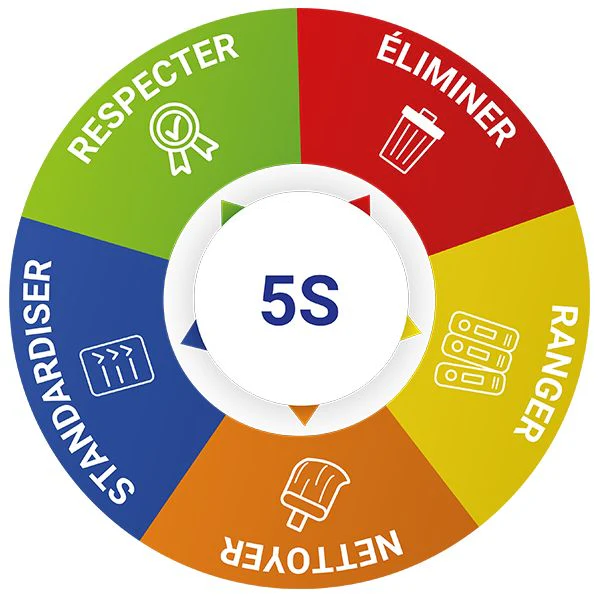
The 5S methodology (Sort, Set in order, Shine, Standardize, Sustain) systematically reduces waste (Muda) by establishing an organized, clean, and visual work environment. However, an orderly shop floor does not automatically guarantee comfortable, safe physical movements.
This is why industrial ergonomics is essential: it adapts equipment, working planes, and component access to the operator’s biomechanics. Rather than producing merely short term cleanliness, embedding ergonomics into the 5S cycle ensures that tools and supplies are located where they support natural movement, minimize fatigue, and protect long-term operator health throughout daily work routines.
Putting 5S and Ergonomics into Practice Across Work Areas
To transform your assembly lines and packing cells into benchmarks of operational efficiency, apply these practical steps across your work areas:
- Sort and Clear Clutter (Seiri): Remove obsolete parts and unnecessary items from active surfaces. Items whose immediate utility is uncertain should be moved to a dedicated red tag area for evaluation, immediately recovering valuable bench space and usable storage space.
- Optimize Primary Reach Zones with Visual Tooling (Seiton): Keep essential hand tools within the operator's primary reach zone. Using a visual custom shadow board ensures rapid tool access and return while eliminating repetitive wrist twisting and overreaching—drastically reducing the risk of carpal tunnel syndrome.
- Routine Inspection and Maintenance (Seiso): Implementing cleaning and inspecting protocols ensures equipment remains in peak condition, identifying oil leaks, loose fastenings, or safety hazards before they disrupt the production process.
- Deploy Modular, Height-Adjustable Furniture (Seiketsu): Standardize comfort by installing height-adjustable ergonomic workstations that adapt smoothly to every operator’s stature. Combine these stations with ergonomic chairs and workshop sit-stand stools and shock-absorbing industrial anti-fatigue floor mats to relieve lumbar and joint compression during standing tasks.
- Secure Internal Logistics: Facilitate parts replenishment and line-side transfer with mobile workshop trolleys and carts, eliminating manual heavy lifting and awkward torso twists.
Sustainable Workstation Optimization for Higher Operational ROI
Far from being isolated initiatives, 5S and ergonomics are deeply intertwined disciplines that directly drive overall system performance. A standardized, human-centered workstation delivers tangible business returns: fewer quality defects, lower absenteeism rates, and improved cycle times.
To learn more about deploying continuous improvement standards across your facilities, explore our comprehensive technical guides on Lean methods and best practices.


